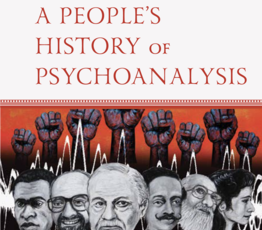
by Rita Teusch, PhD Gaztambide, D. J. (2019). A People’s History of Psychoanalysis: From Freud to Liberation Psychology. Lexington Books. 270 pp. Daniel Jose Gaztambide is assistant professor in the Department of Psychology at the New School for Social Research. He has written numerous articles and book chapters on cultural competency, social justice and psychodynamic practice, as well as race and class in the treatment of borderline...
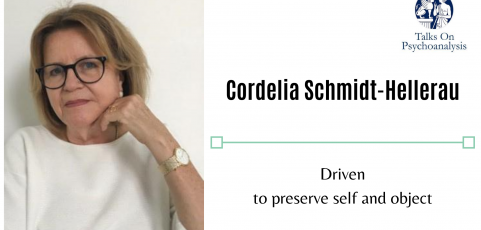
Cordelia Schmidt-Hellerau on the IPA “Talks on Psychoanalysis” Podcast – AUDIO
In a recent episode of the IPA’s “Talks on Psychoanalysis”, Cordelia Schmidt-Hellerau presented “Driven to preserve self and object”, investigating the structuring function of the object in tension with the subject and its drives; the role of the aggression as an intensified expression of a need; and her original term “Lethe”, describing the energy of these preservative drives. Click on the player above to listen. You...
Meet the Author – Ed Shapiro – VIDEO
Edward Shapiro, MD, discussed his new book Finding a Place to Stand: Developing Self-Reflective Institutions, Leaders and Citizens (Phoenix Publishing House, 2020) with his colleague, Jonathan Kolb, MD. The book draws on psychodynamic systems thinking to offer a new understanding of the journey from being an individual to joining society as a citizen. With detailed stories, the steps – and the conscious and unconscious linkages – from being a...
Unorthodox
Ellen Goldberg, PhD, is a BPSI Psychotherapist Member. Her below remarks originally appeared in the “What Are We Watching” section of the Spring 2020 issue of the library newsletter, which can be read here. “Unorthodox” is a four-part Netflix mini-series loosely based on a memoir by Deborah Feldman. Ms. Feldman successfully left the Satmar Hasidic sect, which is considered one of the wealthiest and most powerful communities in...
Coronovirus World
Stephanie Brody is a BPSI Psychoanalyst Member. Her below remarks originally appeared in the Spring-Summer 2020 issue of the BPSI Bulletin, which can be read here. Dvořák wrote the Stabat Mater following the loss of his three children in short succession. There was no pandemic in 1875 when Dvořák composed the piece. The work, for chorus and orchestra, launched his career, a great success that was an ironic consequence of grief. The title comes...